Charting Reliable Capital Routes Through Mobile Trade Systems for Foreign Supplier Endurance
Paul Bennett · Oct 31, 2026
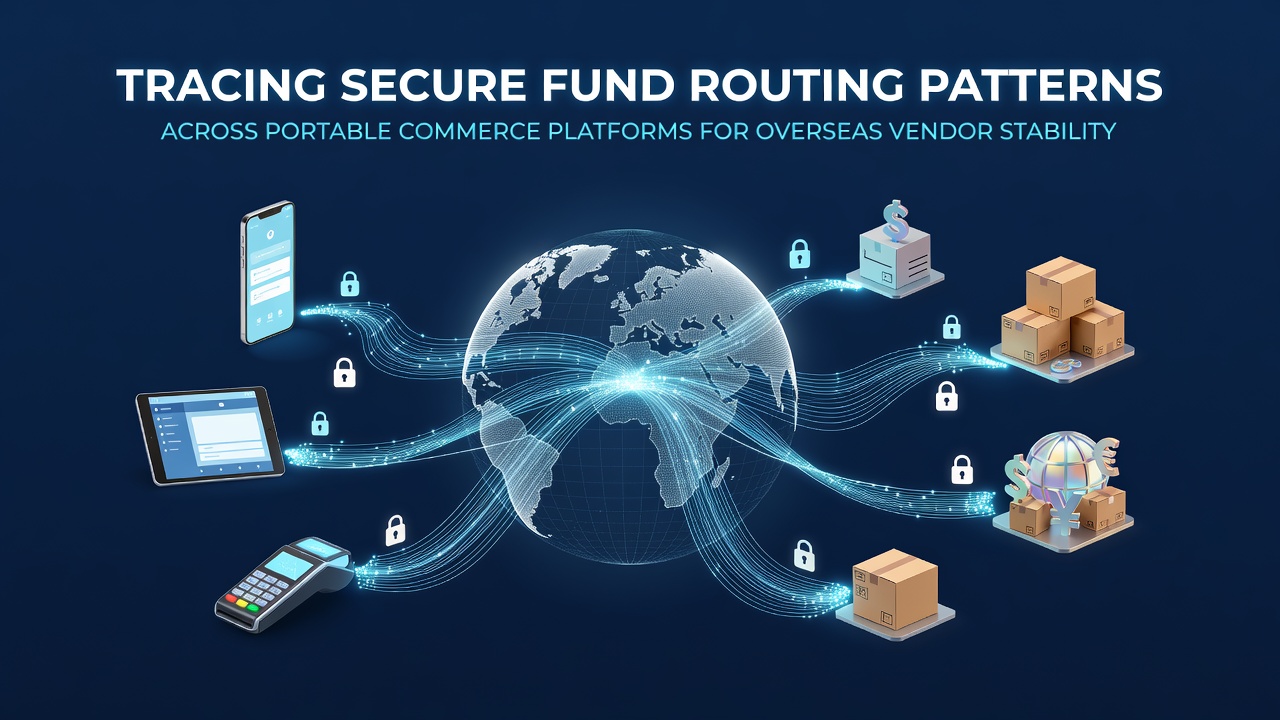
Charting Reliable Capital Routes Through Mobile Trade Systems for Foreign Supplier Endurance
Observers note that portable commerce platforms have expanded their role in international vendor operations since early 2025, with data from October 2026 indicating steady growth in tracked fund movements across multiple regions. Researchers at various financial institutions track these routes by monitoring encryption layers, authorization sequences, and settlement nodes that connect mobile applications to institutional banking channels, and this process supports vendor stability by reducing delays in cross-border transfers.
Studies from institutions like the Reserve Bank of Australia reveal that secure routing patterns rely on layered verification protocols which link device-based wallets to established payment networks, and these patterns allow vendors in distant markets to receive funds without repeated manual interventions. Data shows that platforms integrate real-time monitoring tools to follow transaction flows from initiation on a portable device through intermediary processors and into final accounts, while maintaining compliance with regional regulations in places such as the European Union and Canada.
Core Mechanisms Behind Route Tracing
Analysts describe how portable platforms employ algorithmic mapping to identify optimal paths for fund transfers, combining biometric checks at the device level with backend reconciliation at banking endpoints, and this combination creates traceable sequences that flag anomalies before they affect vendor payouts. Evidence from industry reports highlights the use of distributed ledger elements in some systems, where each hop in the route receives a timestamped record that auditors can review without exposing full transaction details.
One case examined by academic teams at the University of Toronto demonstrated how a vendor network in Southeast Asia maintained consistent settlement times after adopting route-tracing software that synchronized mobile wallet outputs with credit card processors in North America. Figures indicate that such synchronization cut reconciliation errors by measurable margins during high-volume periods, while the same tools adapted to currency fluctuations across the tracked routes.
Integration with International Vendor Workflows
Those who examine these systems observe that overseas vendors benefit when platforms route funds through diversified corridors rather than single channels, and this diversification draws on data from sources including the Bank of Canada which tracks cross-border stability metrics. Portable applications now embed route-selection logic that prioritizes paths with the strongest encryption standards at each stage, allowing vendors to operate across time zones without constant oversight from central offices.
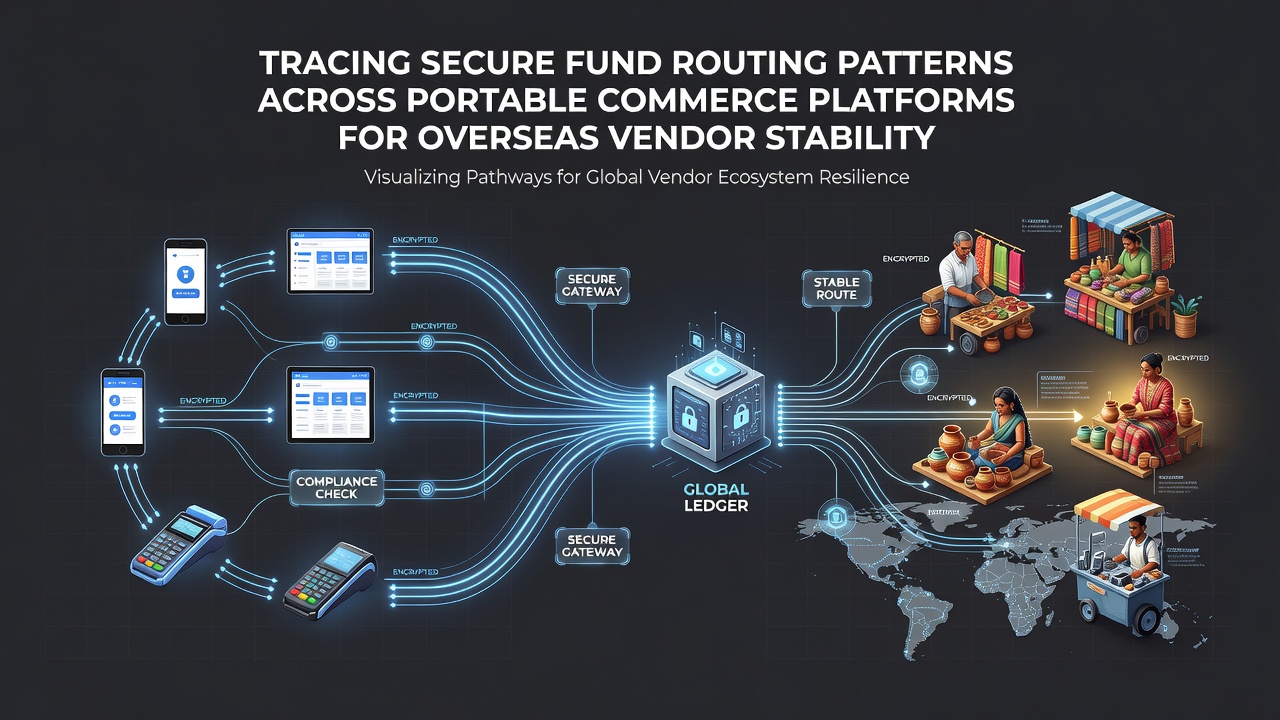
Researchers point out that in October 2026 several platforms introduced enhanced logging features that record not only the amount and destination but also the intermediary hops and latency measurements along each route, and these logs feed into dashboards used by vendor operations teams. The approach connects portable device authorizations directly to institutional settlement systems, creating continuous visibility that helps prevent discrepancies before they reach the final payout stage.
Challenges in Maintaining Pattern Accuracy
Experts have observed that network congestion in certain corridors can alter expected routing patterns, prompting platforms to reroute funds dynamically while preserving the security markers that allow later tracing, and this flexibility relies on predefined fallback sequences documented in system protocols. Data from regulatory bodies across different jurisdictions shows that vendors gain stability when these reroutes maintain the same verification depth as primary paths, avoiding shortcuts that might bypass required compliance checks.
Turn to examples where multi-currency environments test the limits of current tracing methods, yet platforms respond by layering additional validation steps at key junctions, and the result keeps overseas suppliers connected to steady cash flows. Observers note that ongoing refinements in pattern recognition software help distinguish legitimate route variations from potential interference, drawing on aggregated statistics rather than isolated incidents.
Future Developments in Route Security
Analysts anticipate further alignment between portable platform standards and institutional banking requirements by late 2026, with emphasis on shared tracing frameworks that span multiple countries, and this alignment draws support from research conducted at various academic centers. Vendors operating internationally already access tools that display route histories in simplified formats, enabling them to verify that funds followed protected sequences from mobile initiation to final deposit.
Conclusion
Evidence gathered across platforms and regions confirms that tracing secure fund routing patterns strengthens overseas vendor stability by providing clear visibility into each transfer stage, and continued integration of monitoring technologies supports consistent operations even as transaction volumes rise. Data from October 2026 onward will likely refine these methods further, focusing on interoperability between mobile tools and established financial channels without introducing unnecessary complexity for end users.