Payment Processing Systems: Core Mechanisms Driving Transaction Flows
Drew Ludwig · Aug 11, 2026

Payment Processing Systems: Core Mechanisms Driving Transaction Flows
Payment processing encompasses the sequence of steps that move funds from a payer's account to a merchant's account after a transaction occurs, and this infrastructure supports billions of daily exchanges across retail, wholesale, and service sectors. Data from established financial authorities shows that electronic payment volumes continue rising each year with card networks and automated clearing houses handling the bulk of activity in developed markets.
The Authorization Phase in Detail
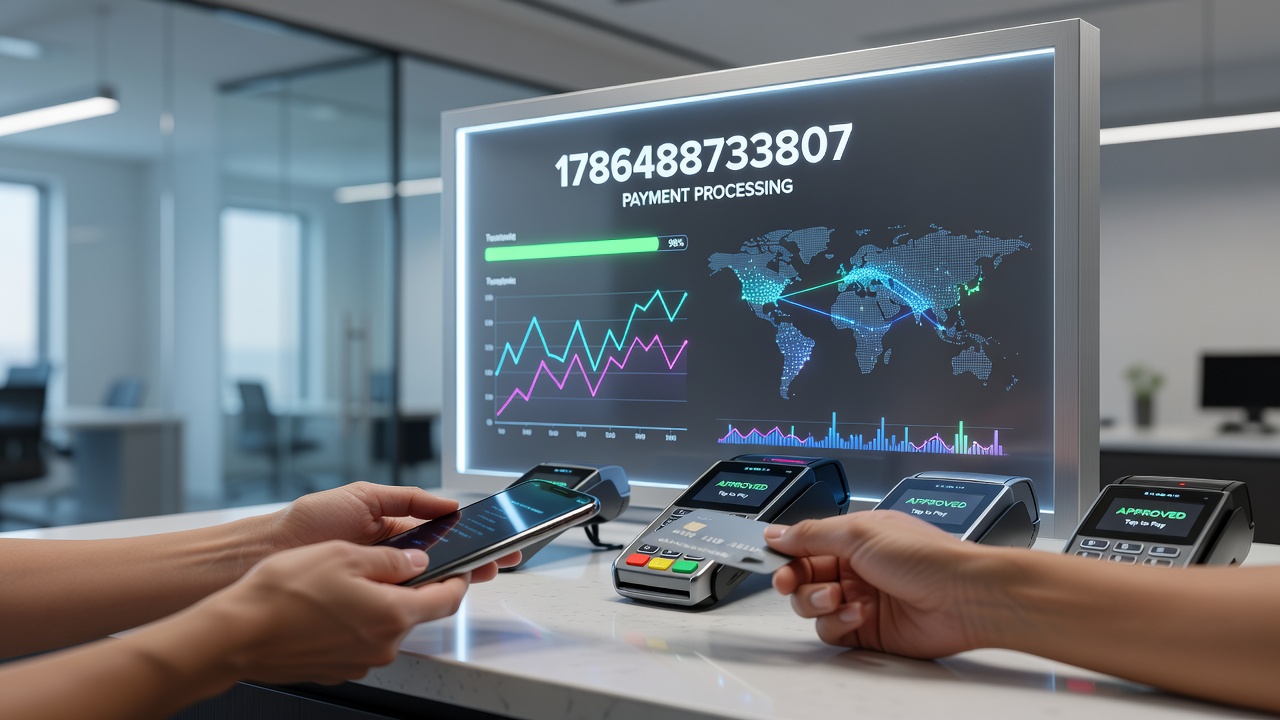
Authorization begins when a merchant terminal or online checkout captures payment details and forwards them to an acquiring bank which then routes the request through card networks such as Visa or Mastercard to the issuing bank for approval decisions based on available funds and account status. This back-and-forth typically completes in seconds, and researchers at the Federal Reserve have documented how standardized messaging protocols ensure consistent data exchange across participating institutions.
Once the issuer verifies the transaction, an authorization code returns along the same path allowing the merchant to complete the sale while the actual fund movement occurs later during clearing and settlement stages. Observers note that interruptions in this chain can stem from network outages or mismatched data fields, prompting operators to maintain redundant connections for continuity.
Clearing and Settlement Operations
Clearing involves the exchange of transaction information between acquirers and issuers through designated networks where batches of approved authorizations are reconciled and prepared for net fund transfers. Settlement follows as the final step when actual debits and credits move between the relevant financial institutions, often on a same-day or next-day basis depending on the payment rail selected.
According to reports from the European Central Bank, real-time settlement systems have expanded in several jurisdictions since 2023, reducing the traditional delay between authorization and fund availability for merchants. These systems operate alongside legacy batch processes, giving businesses options based on cost, speed, and volume requirements.
Integration With Broader Financial Networks
Payment processors interface with multiple layers including automated clearing houses, wire transfer systems, and emerging instant payment platforms that together form the backbone for both domestic and cross-region transfers. Figures released by central banks in Canada and Australia indicate steady adoption of these hybrid models as merchants seek lower fees without sacrificing reliability during peak periods.
By August 2026, several markets plan to implement updated messaging standards that align with ISO 20022 protocols, allowing richer data to accompany each transaction and supporting more precise reconciliation for businesses operating across multiple accounts. This shift builds on existing frameworks rather than replacing them outright, and industry analyses show gradual migration timelines to minimize disruption.
Regulatory Oversight and Compliance Requirements
Government agencies enforce rules around data security, consumer protections, and anti-money laundering checks that processors must embed into their workflows, with audits occurring at regular intervals to verify adherence. Those who manage high-volume operations often invest in monitoring tools that flag anomalies before they escalate into larger issues, and this approach aligns with guidelines issued by bodies such as the Bank for International Settlements.
Documentation from academic studies on financial infrastructure highlights how layered compliance reduces systemic risks while maintaining transaction throughput, though the exact implementation varies by jurisdiction and processor size. Smaller vendors sometimes partner with larger providers to access these controls without building everything internally.
Conclusion
Payment processing remains a foundational element that connects consumers, merchants, and financial institutions through structured sequences of authorization, clearing, and settlement. Continued refinements in messaging standards and real-time capabilities, including those scheduled around August 2026, reflect ongoing efforts to match technological capacity with growing transaction demands across sectors.