Regulatory Adjustments Affecting Account Activation Timelines for Online Transaction Services in Developing Areas
Drew Ludwig · Aug 6, 2026
Regulatory Adjustments Affecting Account Activation Timelines for Online Transaction Services in Developing Areas
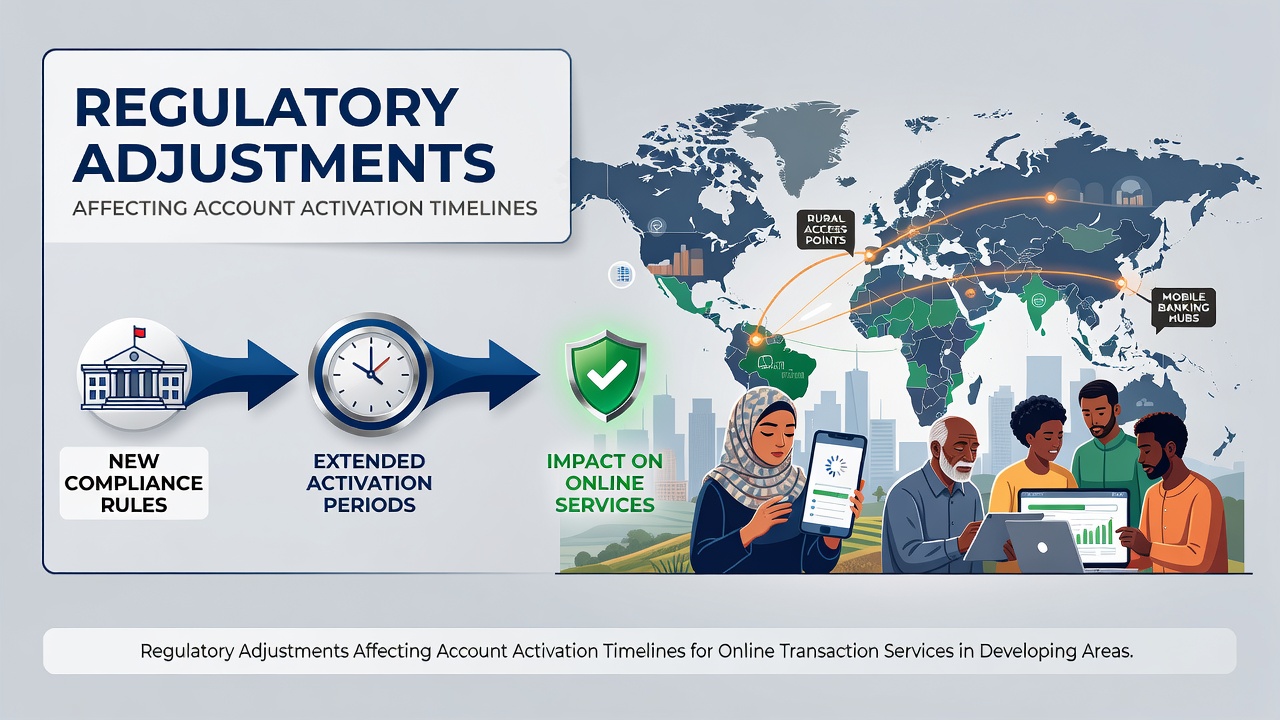
Regulatory adjustments across developing regions continue to reshape account activation timelines for online transaction services, with new compliance layers introduced in multiple jurisdictions throughout 2025 and into 2026. These changes often stem from updated know-your-customer protocols, anti-money laundering directives, and financial inclusion mandates that require service providers to verify user identities through expanded data checks before accounts become operational. In many cases the verification process now extends from a few hours to several business days, depending on the jurisdiction and the volume of documentation submitted.
Key Regulatory Shifts in South Asia and Sub-Saharan Africa
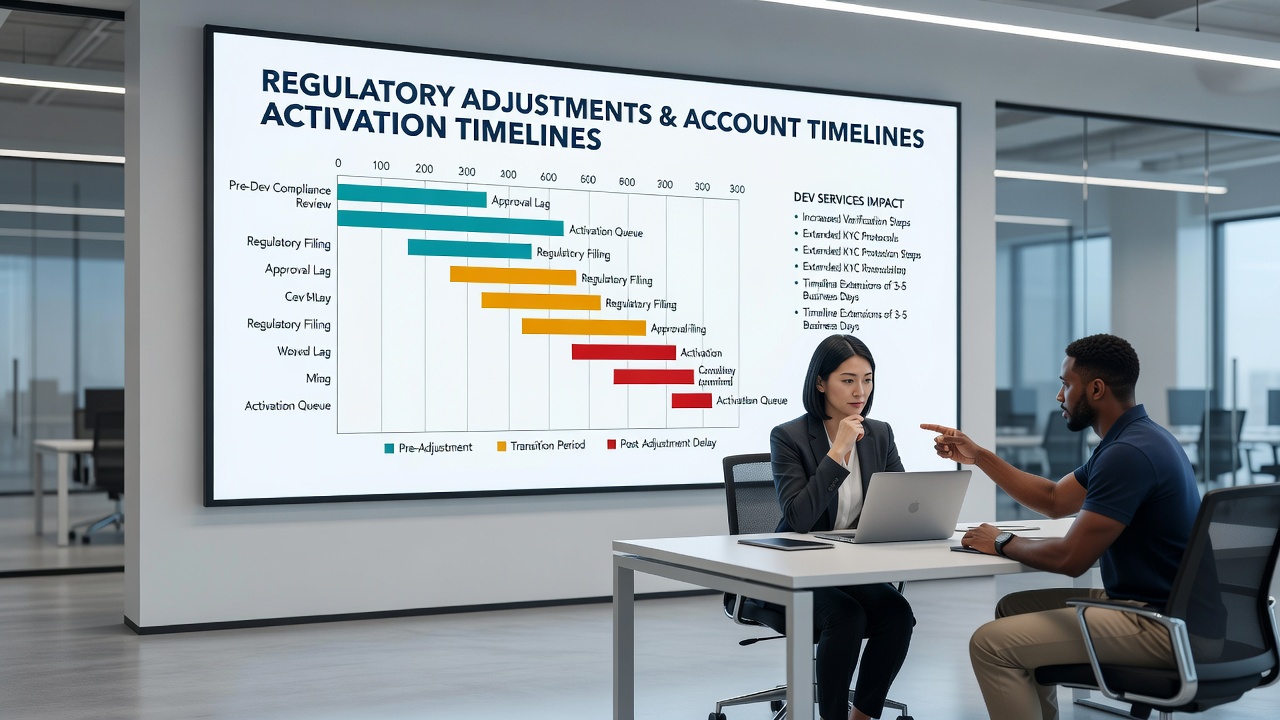
Observers note that countries in South Asia have introduced staggered verification requirements that tie account activation directly to biometric database cross-checks, while regulators in Sub-Saharan Africa have mandated additional layers of corporate registry validation for merchant accounts. Data from regional central banks shows that these measures have lengthened average activation periods by 40 to 60 percent in targeted markets since early 2025. Service providers must now coordinate with multiple government databases, which creates bottlenecks when those systems experience high query volumes or scheduled maintenance windows.
August 2026 marks the scheduled rollout of harmonized digital identity standards in several East African economies, where central banks have aligned activation rules with a shared regional framework. Under the new guidelines, online transaction services must complete initial screening within 48 hours but may extend full activation to five working days if secondary reviews are triggered by risk scoring algorithms. Providers report that the extended window allows time for manual review teams to reconcile discrepancies between submitted documents and external records.
Impact on Service Providers and End Users
Merchants operating subscription models in these regions have adjusted onboarding sequences to account for the longer timelines, often building interim status indicators into their applications so users can track verification progress. Research from academic institutions in the affected markets indicates that delayed activation correlates with higher abandonment rates during the first week after registration, particularly among users who expect instant access to payment features. Yet the same studies reveal that accounts activated after thorough checks demonstrate lower rates of subsequent disputes and chargebacks.
Financial institutions have responded by investing in automated document parsing tools that integrate with national identity systems, reducing the manual workload for straightforward cases while routing complex applications to compliance officers. According to figures published by the International Monetary Fund, digital transaction volumes in developing areas grew 22 percent year-over-year through mid-2026 despite the added verification steps, suggesting that users adapt once they understand the new requirements.
Regional Variations and Implementation Challenges
Latin American regulators have taken a different approach by allowing provisional activation for low-value transactions while full verification completes in the background. This tiered model keeps basic services accessible during the review period but caps transaction limits until all checks clear. Service providers in these markets report that the hybrid structure has helped maintain user engagement while satisfying oversight requirements. In contrast, some South Asian jurisdictions maintain stricter all-or-nothing activation rules, where accounts remain inactive until every data point receives confirmation.
Implementation challenges include inconsistent internet connectivity in rural areas, which slows the transmission of supporting documents, and periodic outages in national identity databases that force manual fallback procedures. Regulators have introduced grace periods for providers demonstrating good-faith efforts to meet deadlines, acknowledging that infrastructure limitations can extend timelines beyond control of individual firms.
Future Outlook and Ongoing Adjustments
Additional refinements are expected in late 2026 as regulators evaluate data collected during the initial rollout phases. Some jurisdictions plan to introduce risk-based tiers that shorten activation for verified repeat users while maintaining extended reviews for new market entrants. Industry reports indicate that these adjustments aim to balance security objectives with the need to support expanding digital economies in developing areas.
Conclusion
Regulatory adjustments continue to influence account activation timelines for online transaction services across developing regions through expanded verification requirements and database integration mandates. Service providers have adapted operational workflows to accommodate the new sequences, while end users experience varying wait times depending on location and document complexity. Data from international organizations and regional authorities shows steady growth in transaction volumes alongside these changes, reflecting both the challenges and the gradual stabilization of compliance processes.