Regulatory Changes Impacting Settlement Periods in Worldwide Vendor Recurring Transfers
Freya Vogel · Oct 3, 2026
Regulatory Changes Impacting Settlement Periods in Worldwide Vendor Recurring Transfers
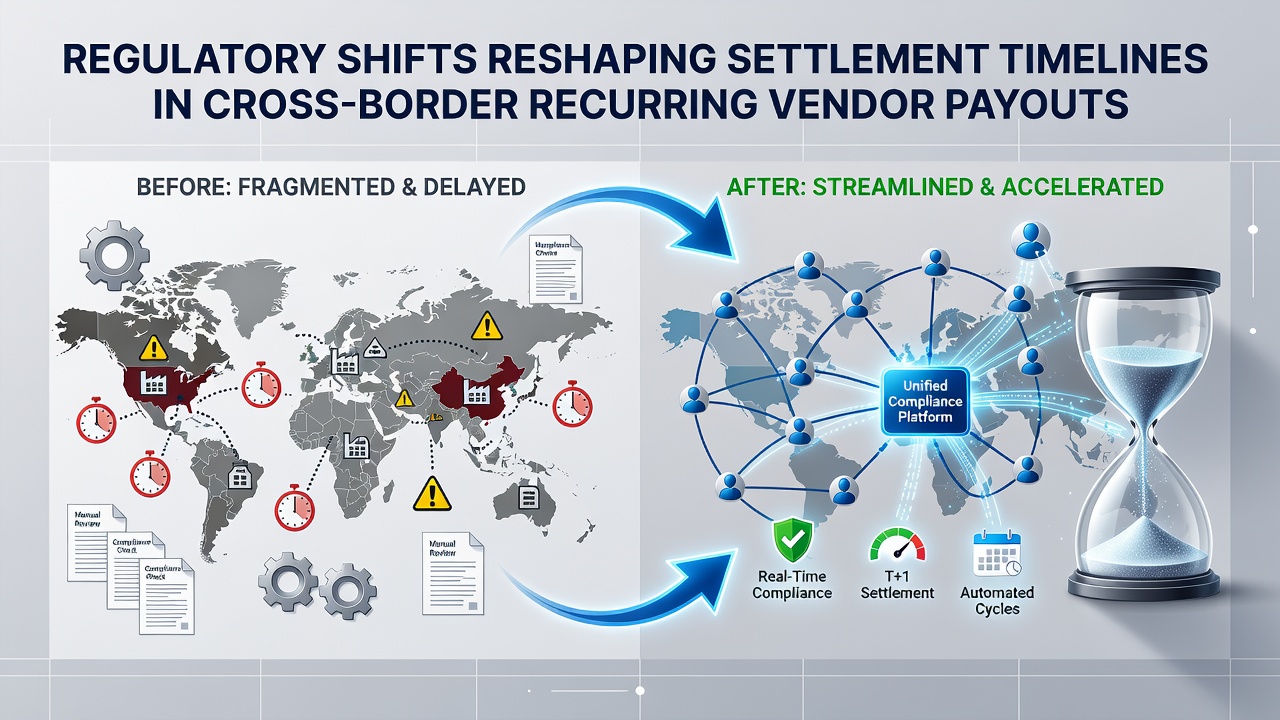
Regulatory adjustments across multiple jurisdictions continue to modify settlement timelines for cross-border recurring vendor payouts, and these shifts affect how businesses manage international subscription cycles. Data from central banking authorities shows that requirements for faster processing now influence everything from authorization sequences to final fund movements between institutional accounts and portable payment applications.
Key Regulatory Developments Across Regions
European frameworks have introduced updates that compress settlement windows for recurring transfers, and observers note that the European Central Bank has outlined expectations for reduced cycles in vendor ecosystems operating across member states. In parallel, Canadian authorities through the Bank of Canada have adjusted guidelines that impact electronic fund movements tied to subscription services for merchants handling overseas clients. These changes connect verification layers with transfer systems, and studies indicate the adjustments aim to limit discrepancies during high-volume reconciliation periods.
Asia-Pacific regulators have followed similar paths, whereas the Monetary Authority of Singapore has released directives that standardize timelines for recurring payouts involving multi-currency wallets. Research indicates these rules require tighter alignment between biometric checks and authorization protocols, and this integration supports sustained operations for vendors managing international client bases. Figures reveal that compliance with such standards has already shortened average settlement periods by measurable margins in tracked markets.
Effects on Vendor Payout Cycles
Settlement timelines for cross-border recurring vendor payouts have moved from traditional T+2 models toward T+1 or same-day processing in several corridors, and this evolution stems directly from updated compliance mandates. Those who track payment infrastructures report that merchants now coordinate credit network approvals with bank transfer pipelines more closely to meet the new windows. One study revealed that vendors operating in multiple jurisdictions experienced fewer reconciliation errors after adopting synchronized validation sequences across digital platforms.
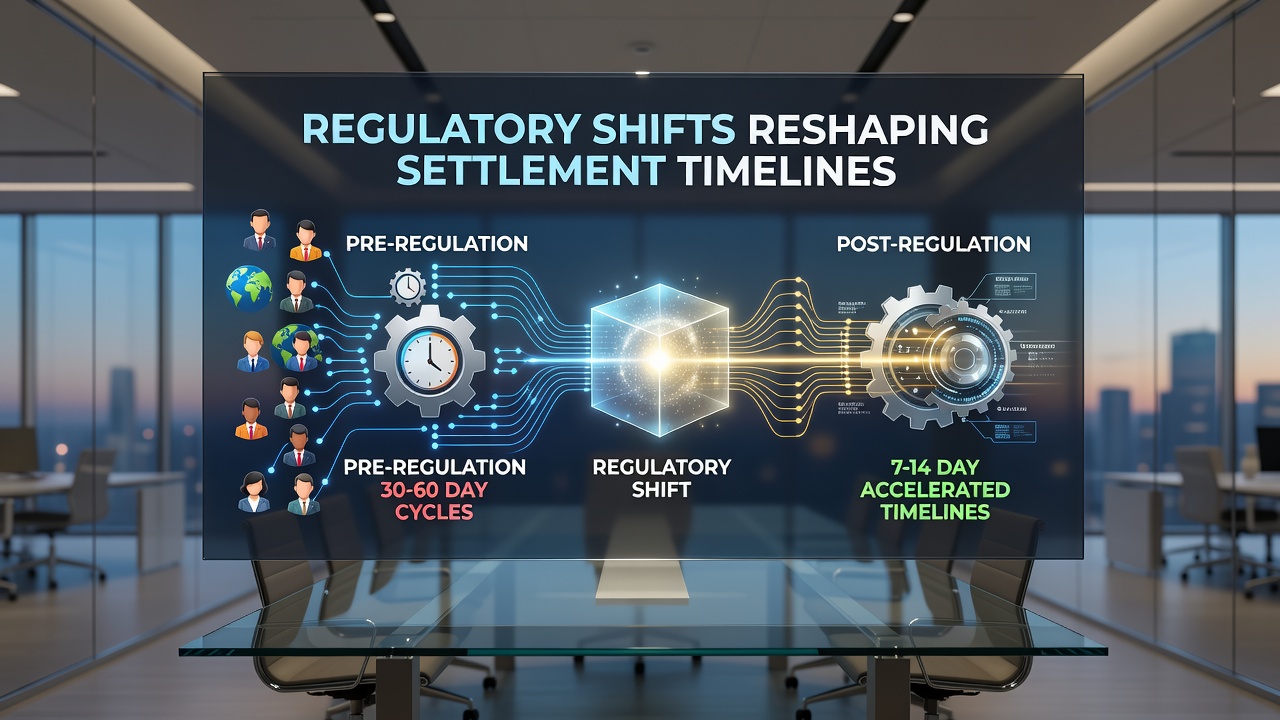
But here's the thing: these compressed timelines demand stronger data matching protocols between card networks and institutional channels, and evidence suggests this reduces disputes during recurring cycles. Experts have observed that portable device solutions now incorporate additional authentication steps to maintain accuracy when funds move across borders on accelerated schedules. In October 2026, further refinements are scheduled to take effect in select regions, and these will extend verification requirements to cover emerging transfer methods used by independent vendors.
Industry Responses and Implementation Patterns
Merchants handling global subscriptions have adjusted their operational frameworks to align with the revised settlement expectations, and trade reports document increased investment in interconnected validation processes. Researchers discovered that businesses linking verification steps across credit networks and electronic transfer systems experienced smoother continuity during peak subscription periods. What's interesting is how these adaptations also support multi-currency operations without extending payout delays beyond regulatory limits.
Case examples show vendors coordinating authorization layers in portable applications with institutional account channels, and this approach helps maintain resilient frameworks in overseas markets. Data indicates that organizations adopting these practices saw reduced instances of timing mismatches during reconciliations. Government sources from Australia have highlighted similar patterns, where updated rules from the Reserve Bank of Australia encourage precise sequencing in recurring payout flows.
Future Outlook for Settlement Standards
Additional regulatory layers are expected to emerge as authorities monitor the outcomes of current adjustments, and this ongoing evolution will continue to shape how cross-border recurring vendor payouts operate. Observers note that interoperability challenges between biometric layers and recurring authorization protocols remain areas of focus for multi-jurisdictional networks. Those who've studied these systems understand that sustained compliance requires ongoing alignment between mobile platforms and banking networks.
Conclusion
Regulatory shifts continue to reshape settlement timelines in cross-border recurring vendor payouts, and the resulting changes influence verification sequences, transfer reliability, and reconciliation accuracy across global markets. Businesses that integrate these requirements into their payment ecosystems position themselves for smoother operations as standards evolve through 2026 and beyond.