Retail Networks Coordinate Settlement Systems with Mobile Shopper Platforms to Stabilize Revenue During Peak Seasonal Periods
Petra Klein · Aug 20, 2026
Retail Networks Coordinate Settlement Systems with Mobile Shopper Platforms to Stabilize Revenue During Peak Seasonal Periods
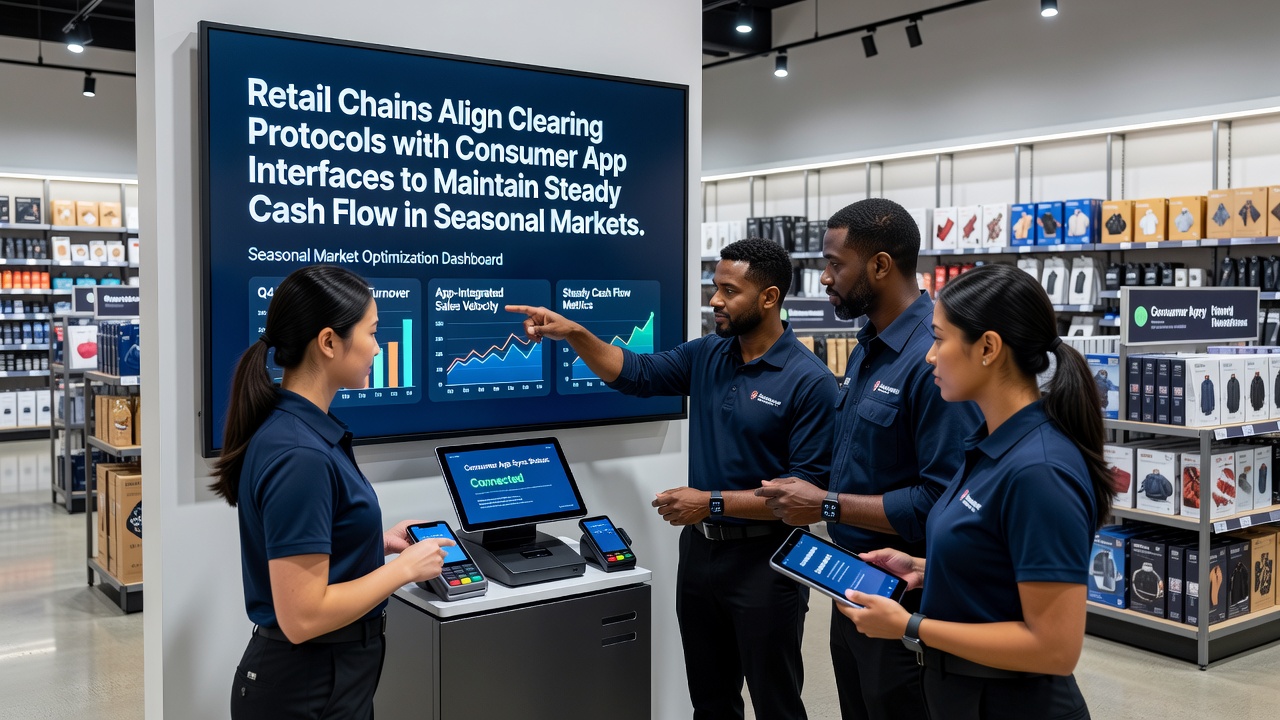
Retail chains across multiple regions have started integrating backend clearing protocols directly with consumer-facing mobile applications, and this coordination helps maintain consistent cash flow when demand spikes during busy seasons. Data from industry reports shows that synchronized systems reduce settlement delays by aligning transaction verification steps with real-time user interfaces, which keeps funds moving without interruption even when volumes surge. Observers note that seasonal markets create predictable yet intense fluctuations, such as holiday rushes or back-to-school periods, and retailers respond by updating their protocols to match app functionalities. Those who've studied payment flows point out that clearing processes now pull data from app interfaces at the point of authorization, which speeds reconciliation and prevents cash gaps that once appeared during high-traffic weeks.Core Mechanisms Behind the Integration
Clearing protocols operate as the bridge between initial transaction approval and final fund movement, while consumer apps handle customer selections, loyalty redemptions, and instant notifications. Retail networks connect these layers through shared APIs that update status in both directions, and this linkage ensures that a purchase completed on a mobile device triggers immediate clearing sequence initiation.
Research indicates that companies implementing these connections see fewer failed settlements because verification data flows continuously rather than in batches. For instance, one major chain adjusted its systems ahead of summer promotions so that app-based returns automatically adjusted clearing records without manual intervention, which preserved liquidity across locations.
Seasonal Demand Patterns and Protocol Adjustments
Seasonal peaks place extra pressure on cash flow because inventory purchases rise before revenue arrives, and mismatched clearing timelines can widen shortfalls. Retailers therefore map their clearing steps to app features that track inventory in real time, allowing automatic adjustments when demand shifts unexpectedly. In preparations noted for August 2026, several chains plan to expand these mappings further to cover international seasonal events that overlap with domestic cycles.
Figures reveal that chains using synchronized interfaces cut average settlement times by up to 40 percent during comparable past peaks. This matters because shorter cycles free working capital for restocking, and the effect compounds when multiple regions experience staggered seasonal windows.
Technical Steps Retailers Follow
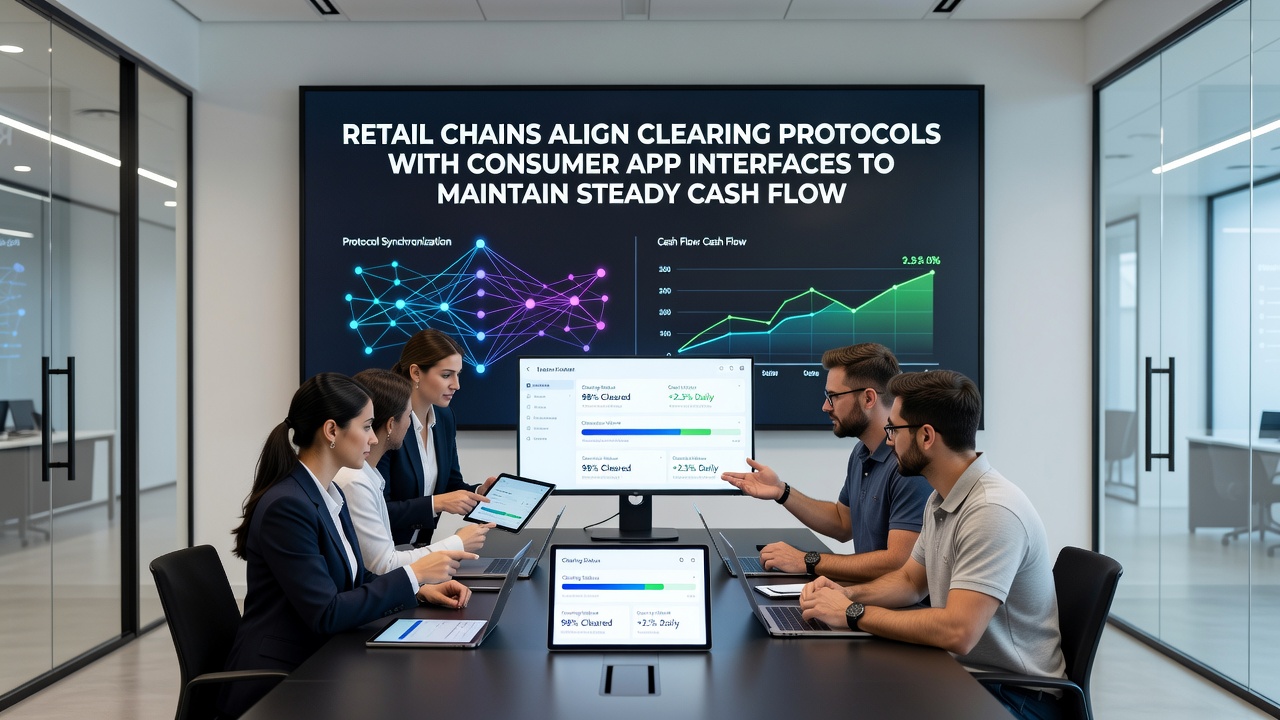
Teams begin by auditing existing clearing rules against app data fields, then they map each field to corresponding settlement triggers. Next, they test the combined flow with sample transactions that mimic seasonal volume spikes, and they refine error-handling routines so that app notifications reflect clearing outcomes instantly. Those who've implemented similar projects report that iterative testing uncovers edge cases, such as partial payments or promotional discounts, before live deployment.
According to analyses from the National Retail Federation, chains that complete these steps ahead of peak periods maintain steadier daily cash positions than peers relying on separate systems. The approach also supports multi-currency operations when seasonal demand crosses borders.
Observed Outcomes Across Markets
European retailers applying parallel alignments have documented improved reconciliation accuracy during summer tourism surges, while North American operators note benefits during winter holiday cycles. Australian chains report similar gains around end-of-financial-year promotions. In each case, the common thread remains the direct linkage between clearing protocols and app interfaces, which reduces manual reconciliation labor and associated delays.
What's interesting is how these alignments extend beyond payments into inventory and customer service modules, creating a unified data environment that supports broader operational decisions. Data shows fewer discrepancies appear when app-generated records feed directly into clearing logs, and this consistency helps finance teams forecast cash needs with greater precision.
Conclusion
Retail chains continue to refine connections between clearing protocols and consumer app interfaces as seasonal markets evolve, and evidence from multiple regions confirms that these alignments support uninterrupted cash flow. As August 2026 approaches, further expansions of these systems appear likely based on current implementation trends, allowing networks to handle overlapping demand patterns without liquidity strain. The factual record demonstrates measurable improvements in settlement speed and accuracy wherever such coordination occurs.